Introduction
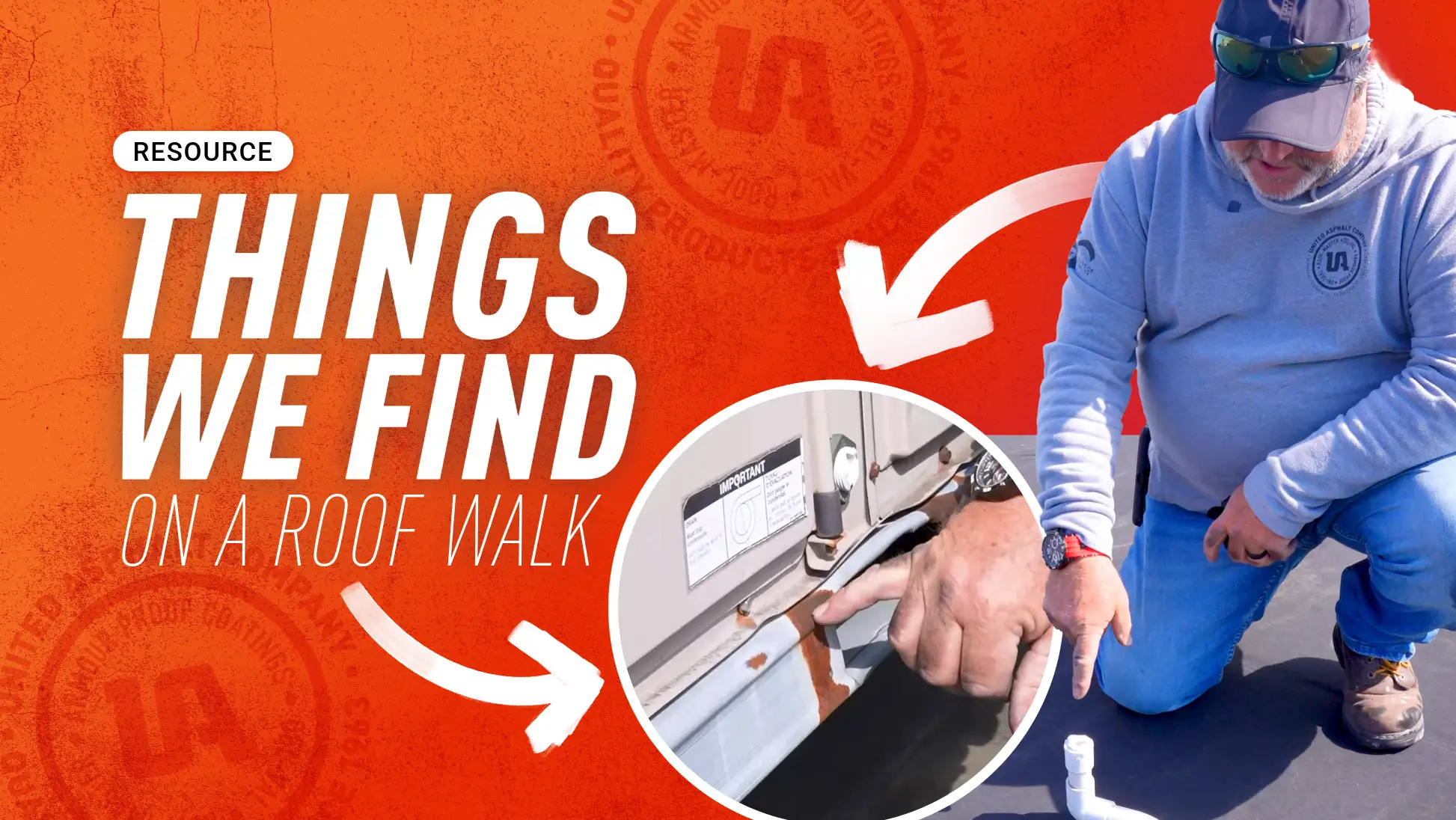
A roof walk can reveal a lot more than most people expect. From the ground, a commercial low-slope roof may look fine, but once you get up there, you often find the kinds of issues that can lead to expensive damage if they are left alone. One of the most common examples is a dislodged or broken HVAC component that should not be sitting loose on the roof surface in the first place. A commercial roof inspection is a detailed evaluation meant to spot wear, moisture intrusion and structural concerns before they become bigger problems.
That kind of finding matters because it is not just a minor debris issue. A broken HVAC piece can create puncture risk on the membrane, damage the roof surface over time and let water work its way into areas where it does not belong. In the case of an EPDM roof, even a small object rolling around can slice the membrane or create a puncture that eventually becomes a leak.
Why Roof Walks Matter
Roof walks are one of the simplest and most effective ways to catch problems early. A thorough inspection gives contractors and building owners a chance to identify damage, debris, ponding water, loose components and weak points before they grow into larger issues.
That is especially important on commercial low-slope roofs because water does not shed as quickly as it does on steep-slope systems. Small problems can stay hidden until moisture starts moving underneath the membrane, into the insulation or into the building below. Regular inspections are commonly recommended because they help prevent small defects from turning into expensive repairs.
Roof walk findings often include:
- Loose rooftop components.
- Punctures and membrane cuts.
- Seam damage.
- Flashing failures.
- Water intrusion near penetrations.
- Debris that can abrade or puncture the roof surface.
How a Broken HVAC Component Can Damage the Roof
When a piece breaks off of an HVAC unit, it can become more than just loose debris. If it is sharp, heavy or constantly moving with wind and foot traffic, it can cut into the membrane and create a direct path for leaks. On a low-slope roof, that risk is even greater because water tends to sit, move slowly and find vulnerable spots.
On EPDM, the damage can show up as:
- Surface slicing.
- Puncture holes.
- Seam stress.
- Premature membrane wear.
- Leak development around the damaged area.
If the object continues moving around, it can also widen the damage over time. What begins as a small cut may eventually become a more serious repair issue, especially if the roof is exposed to freeze and thaw cycles, wind or standing water.
Water in the Pan Below the Unit
Broken rooftop components can also create problems beneath the HVAC unit itself. If water leaks back into the pan below the unit, it can begin to collect in areas that were not meant to hold moisture. That standing water can affect the roof surface, the surrounding details and the unit itself.
When water starts to congregate in the pan, it may:
- Remain in contact with the roof surface longer.
- Work its way toward seams and penetrations.
- Freeze in colder weather and expand the damage.
- Increase the risk of corrosion or deterioration around the unit.
- Contribute to future leaks if the drainage path is blocked or compromised.
The concern is not only that the roof leaks. Water around the unit can also affect the equipment itself, creating added maintenance issues, reduced service life and potential operational headaches for the building owner.
Why Freeze and Thaw Make It Worse
When water collects near a seam or in the pan below an HVAC unit, freeze and thaw cycles can make a bad situation worse. As temperatures drop, trapped water can freeze and expand. That expansion can stress seams, lift edges and worsen existing openings in the membrane.
Over time, that can lead to:
- Enlarged leaks.
- Additional seam separation.
- More membrane movement.
- Greater risk of puncture and tearing.
- More costly repairs later.
This is one of the reasons roof inspection is so important before winter weather arrives. What looks minor in warm weather can become a much bigger issue after a few freeze and thaw cycles.
Common Damage Found on Low-Slope Roof Walks
A dislodged HVAC part is only one example of what roof inspections uncover. On low-slope commercial roofs, roof walks often reveal a wide range of issues that can affect performance and lead to water intrusion.
Membrane punctures
Sharp debris, loose hardware or equipment movement can puncture the roof membrane and create an immediate leak path.
Seam separation
Aging seams, movement and poor adhesion can cause laps to open up, especially around roof details and equipment areas.
Flashing damage
Flashing around curbs, penetrations and equipment bases can deteriorate or pull loose, leaving vulnerable areas exposed.
Ponding and drainage issues
Water that does not drain properly can stay on the roof too long, accelerating wear and increasing the chance of leaks.
Equipment-related wear
HVAC units, pipes and support components can create stress points where the roof is more likely to fail.
Debris and foreign objects
Loose objects on the roof can roll, scrape or puncture the membrane, especially during storms or high winds.
Repair and Restoration Options
When an inspection uncovers this kind of damage, the next step is usually to determine whether the roof needs a localized repair, a broader restoration or a more extensive corrective plan.
If the roof is still generally sound, repair or restoration may help extend service life and reduce the need for immediate replacement.
Why Inspection Saves Money
A roof walk is not just about finding damage. It is about preventing bigger losses. When problems are caught early, repairs are usually smaller, faster and less disruptive. That can save money on materials, labor, interior damage and equipment repair.
It can also help building owners avoid the secondary damage that comes from ignored leaks. Water intrusion does not stop at the membrane. It can affect insulation, decking, ceilings, equipment, operations and tenant comfort.
Conclusion
A roof walk can uncover hidden problems that never show up from the ground. A broken HVAC component, a punctured membrane, water collecting in the pan below the unit and freeze and thaw-related damage are all examples of why inspections matter on commercial low-slope roofs.
The sooner these problems are found, the easier they are to address. That is why roof inspections, repair products and restoration systems all work together as part of a smart maintenance strategy.