Why Roof Inspections Catch Problems You Can’t See from the Ground
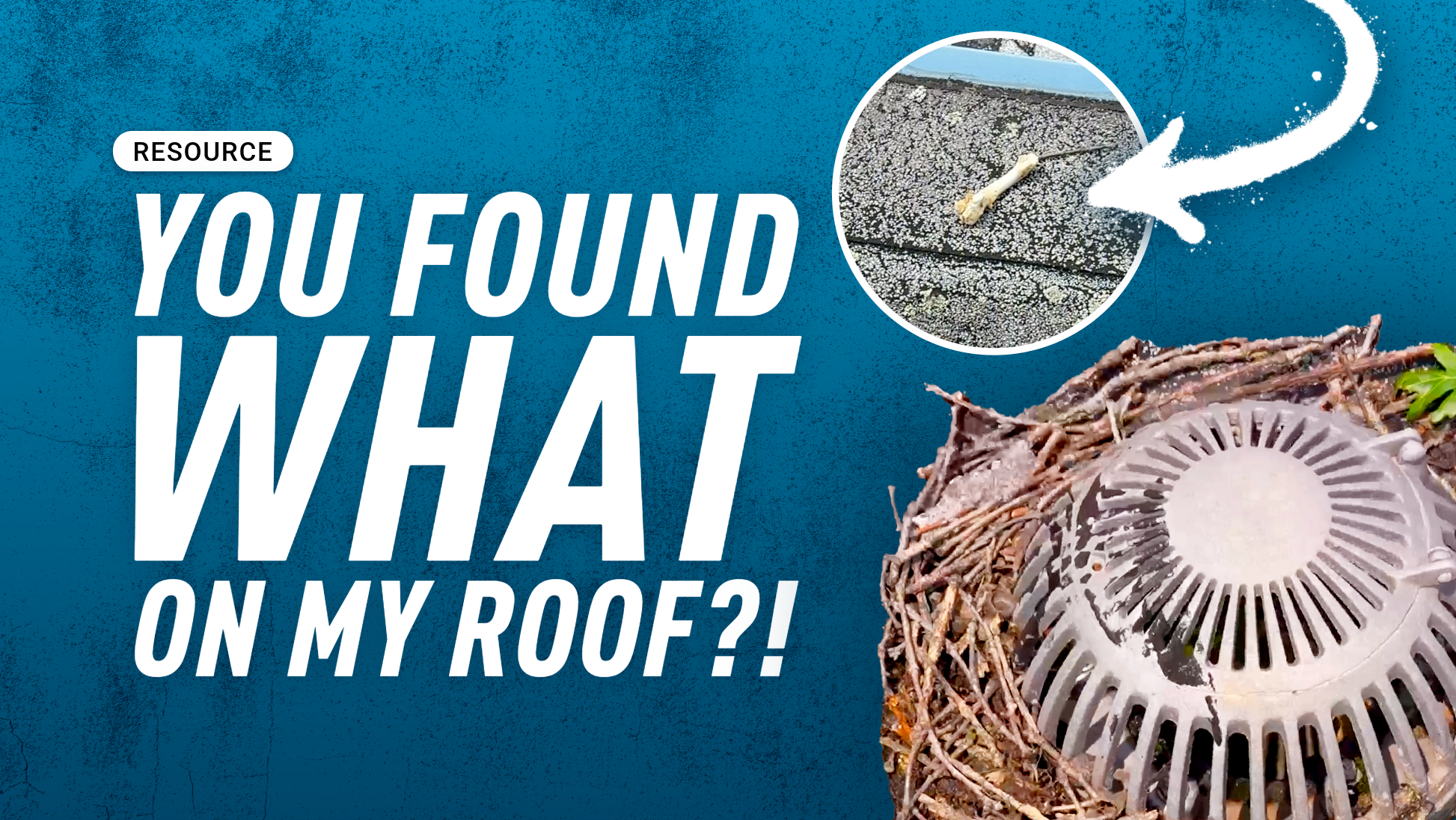
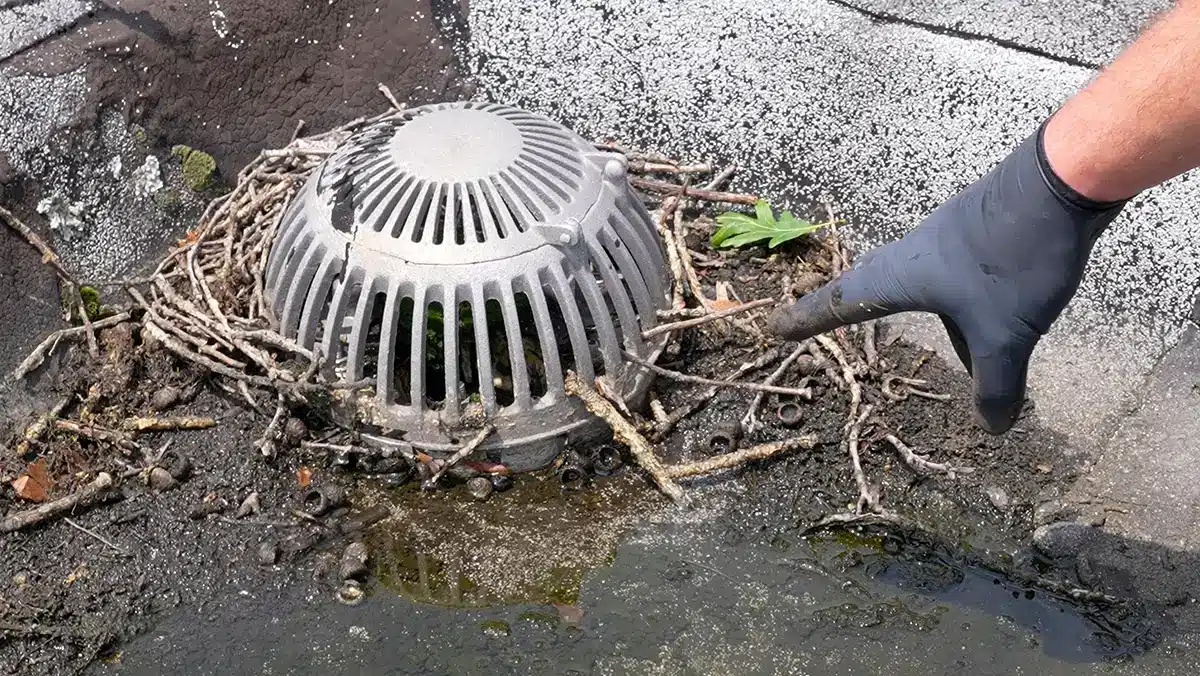
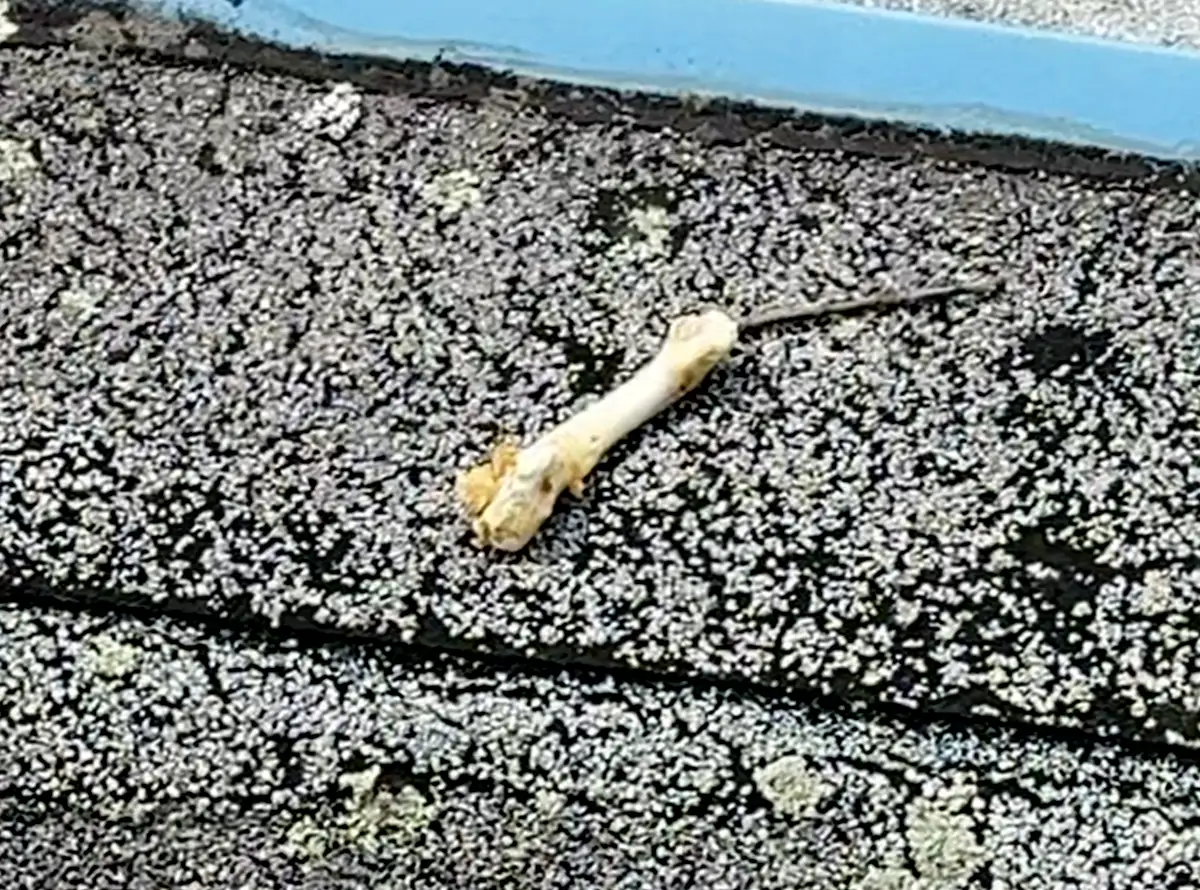
Roof inspections do more than check for leaks. They reveal the kinds of issues that never show up from the ground, like a drain that’s not draining, debris buildup, animal activity and even leftovers from a raccoon’s lunch. That is exactly what happened in this example, where a clogged drain looked like a beaver dam and came with a chicken leg as a bonus find.
Over time, the area around the drain has settled and now the drain sits higher than the ponding water in front of it. That means the water has nowhere to go, which can lead to bigger problems if the situation is not addressed. This is why regular maintenance calls and thorough roof inspections are so important for building owners and property managers.
Why Roof Inspections Matter
A roof inspection is not just about the membrane. It is about understanding how the whole system is performing, including drains, flashings, seams, penetrations and details. Issues like ponding, debris buildup and settled drains can create water intrusion problems even when the rest of the roof appears to be in decent shape.
When a drain is not draining, water sits on the roof longer than it should. That can accelerate wear, increase the risk of leaks and create conditions that lead to expensive repairs later. Catching these issues early is one of the best ways to extend roof life and reduce emergency calls.
What a good roof inspection can uncover:
- Clogged or settled drains.
- Ponding water and drainage issues.
- Debris and foreign objects on the roof surface.
- Animal activity and damage.
- Flashing failures and seam problems.
The Drain That’s Not Draining
In this case, the drain was not functioning as intended. Debris had built up around it, creating a dam-like effect that trapped water. The drain had also settled over time, which made it higher than the ponding water in front of it. That means the water has no path to exit, and the situation gets worse with every rain event.
When a drain is higher than the surrounding water, the roof is essentially working against itself. Instead of shedding water, the system is holding it in place. That can lead to membrane deterioration, increased leak risk and more frequent maintenance needs.
Why drains fail over time:
- Debris accumulation.
- Drain settlement or movement.
- Improper installation or slopes.
- Lack of regular maintenance.
- Animal activity and nesting.
Animal Activity and Debris on the Roof
Animal activity is more common on commercial roofs than most people realize. Raccoons, birds, rodents and other animals can create damage, leave debris and even bring food up onto the roof. In this case, a chicken leg was found near the drain, which points to a raccoon or similar animal using the roof as a feeding or travel path.
That kind of debris can clog drains, trap moisture and create conditions that lead to membrane damage. It also adds another layer of complexity to the inspection process, because the problem is not just about the roof system itself. It is about everything that ends up on top of it.
Why Maintenance Calls Are Vital
Maintenance calls are where these issues get caught early. A good roofing contractor will not just look for obvious leaks. They will check drains, flashings, penetrations and details. They will look for debris, animal activity and signs that the roof is not performing as it should.
For building owners, this is why it matters who you partner with. A contractor who knows what to look for can catch small problems before they become expensive repairs. That is the difference between a quick maintenance visit and a costly emergency call.
Benefits of regular maintenance calls:
- Early detection of drain and drainage issues.
- Removal of debris and foreign objects.
- Identification of animal activity and damage.
- Extended roof service life.
- Reduced emergency repair costs.
What Building Owners Should Look For
When choosing a roofing contractor, look for someone who understands the full scope of roof maintenance. That means checking drains, flashings, penetrations and details, not just walking the field. It also means having a contractor who knows how to spot the weird stuff that can cause real problems.
Regular inspections and maintenance calls can help catch issues like settled drains, ponding water, debris buildup and animal activity before they lead to leaks. That kind of proactive approach is one of the best ways to protect your investment and keep your roof performing.
Conclusion
“There’s a what on my roof?!” is more than a funny question. It is a reminder that roof inspections can uncover all kinds of hidden problems, from drains that are not draining to animal activity and debris that can cause serious issues over time.
For building owners, this is why maintenance calls and a good roofing partner matter. A contractor who knows what to look for can catch problems early, reduce emergency repairs and help extend the life of the roof. When the details are done right, the roof gets a stronger defense right where it needs it most.